Programs

Looking to Make a Difference
For most people interested in the ocean, the biggest difficulty is to get an opportunity to actually do it. For that reason, there are five main programs, focused in providing new opportunities for those who really need one: a student who wants to acquire some sea experience, a researcher needing some data, someone willing to see by themselves, you name it!
Scientific research is the main source of information to be used in conservation, education and awareness. Every project conducted onboard the S/V Veiviseren is focused in four of these programs, making sure that the information gathered is being useful. In addition, the mentoring program is addressed to undergraduate students and young scientists, to help them meet their goals.
Research
Scientific research is the most important program, as it allows to support conservation, education and awareness with trustable information. As a researcher myself in different disciplines related to the ocean, I look to conduct some research while sailing, taking advantage of the time at sea.
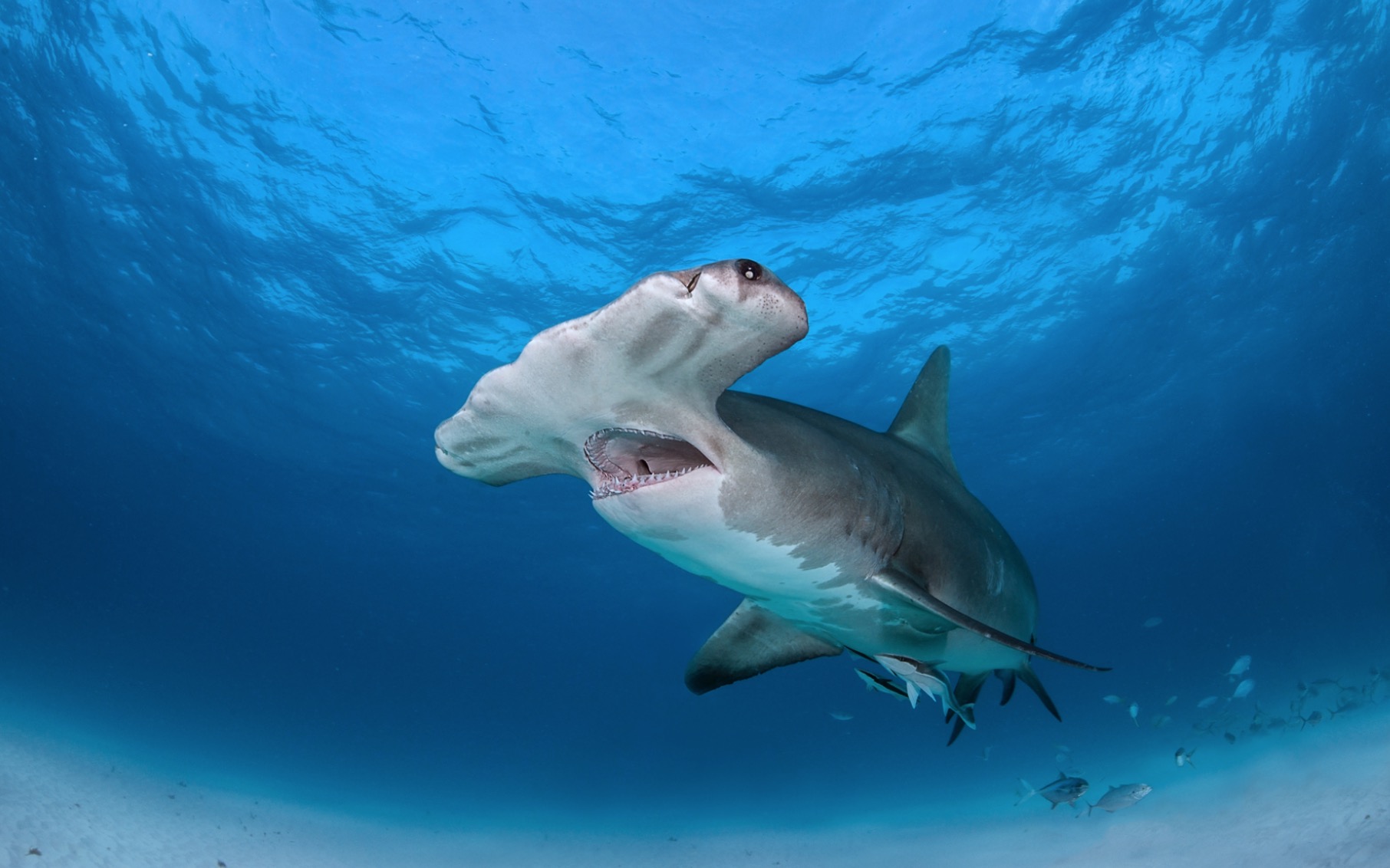
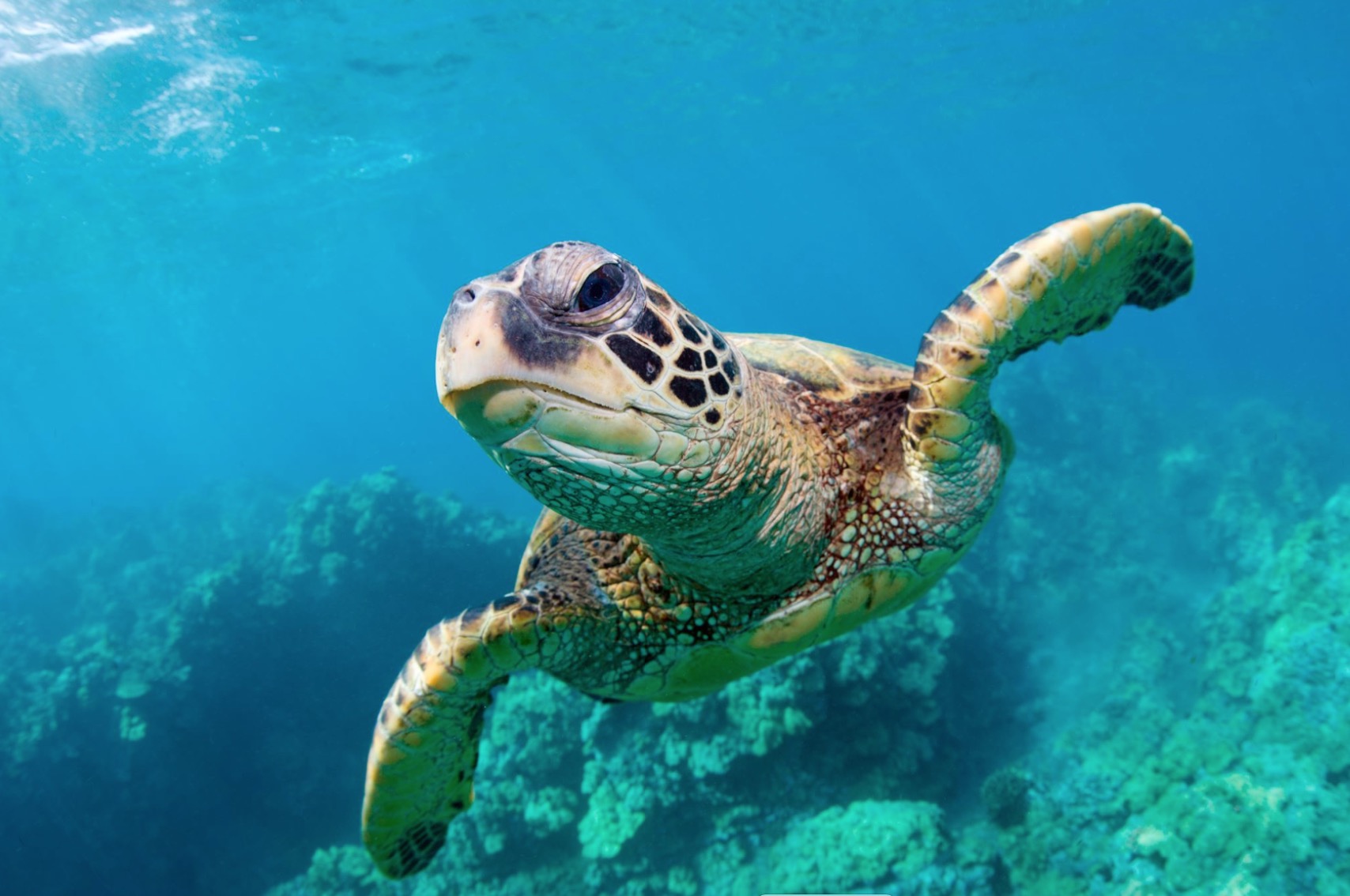
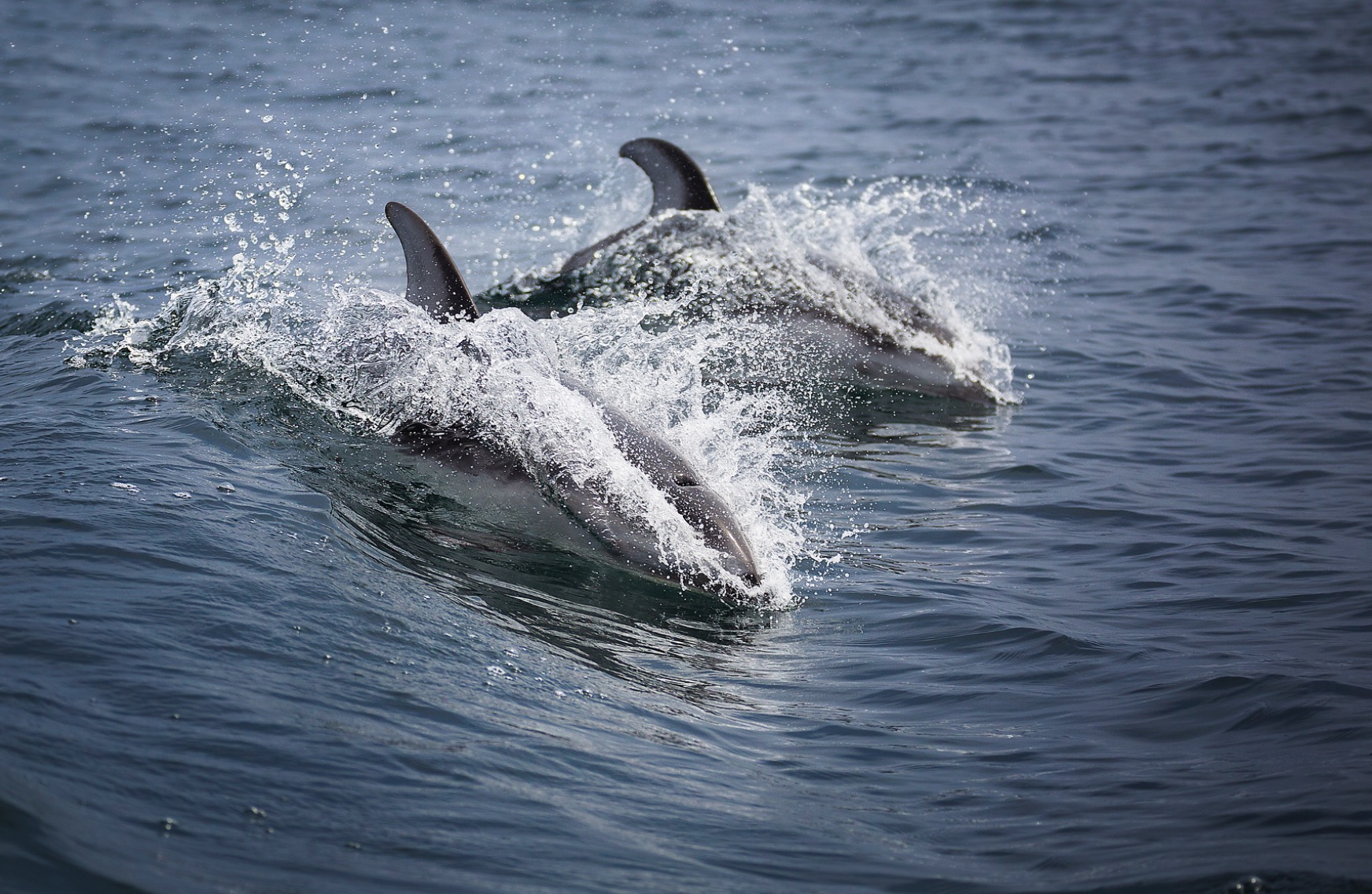
While my main research subject is the marine megafauna (cetaceans, sea turtles, seabirds, sharks and rays) and their role in ocean health, I try to gather as much information as possible regarding other disciplines, like oceanography and meteorology, looking for suitable ways to solve problems.
Once every three months, a new place is opened for someone interested in becoming an ocean researcher, being guided and tutored during their learning on board. During this period, they are faced to the conditions of ocean science and research, and learn how to conduct their own projects and to find solutions to the challenges imposed by this.
On the same spirit, the S/V Veiviseren is also available to external institutions for conducting research in the area.
Conservation
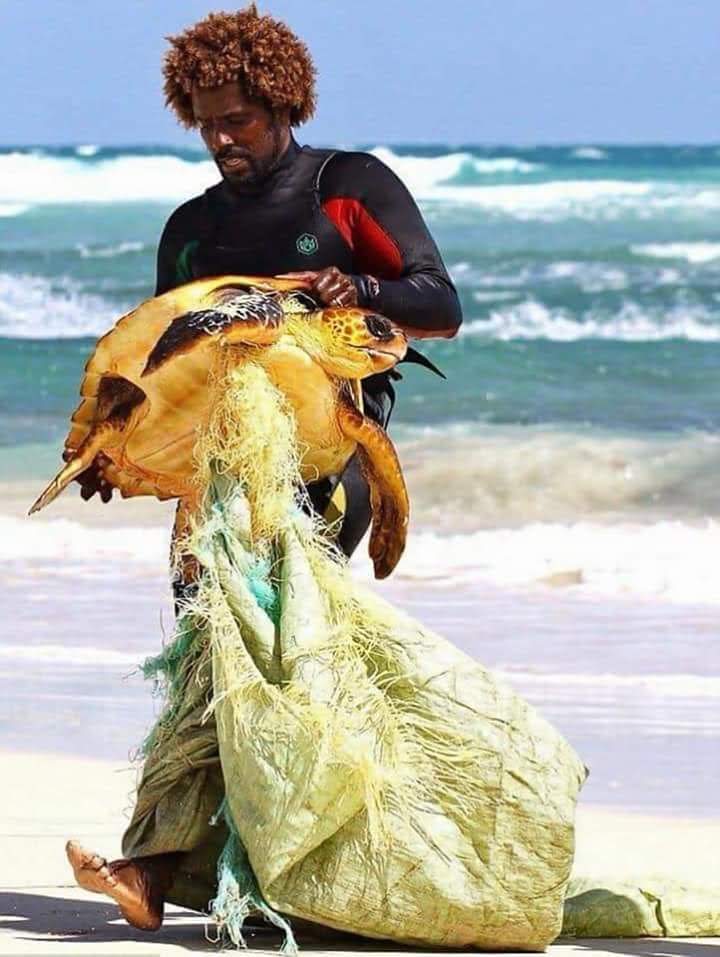
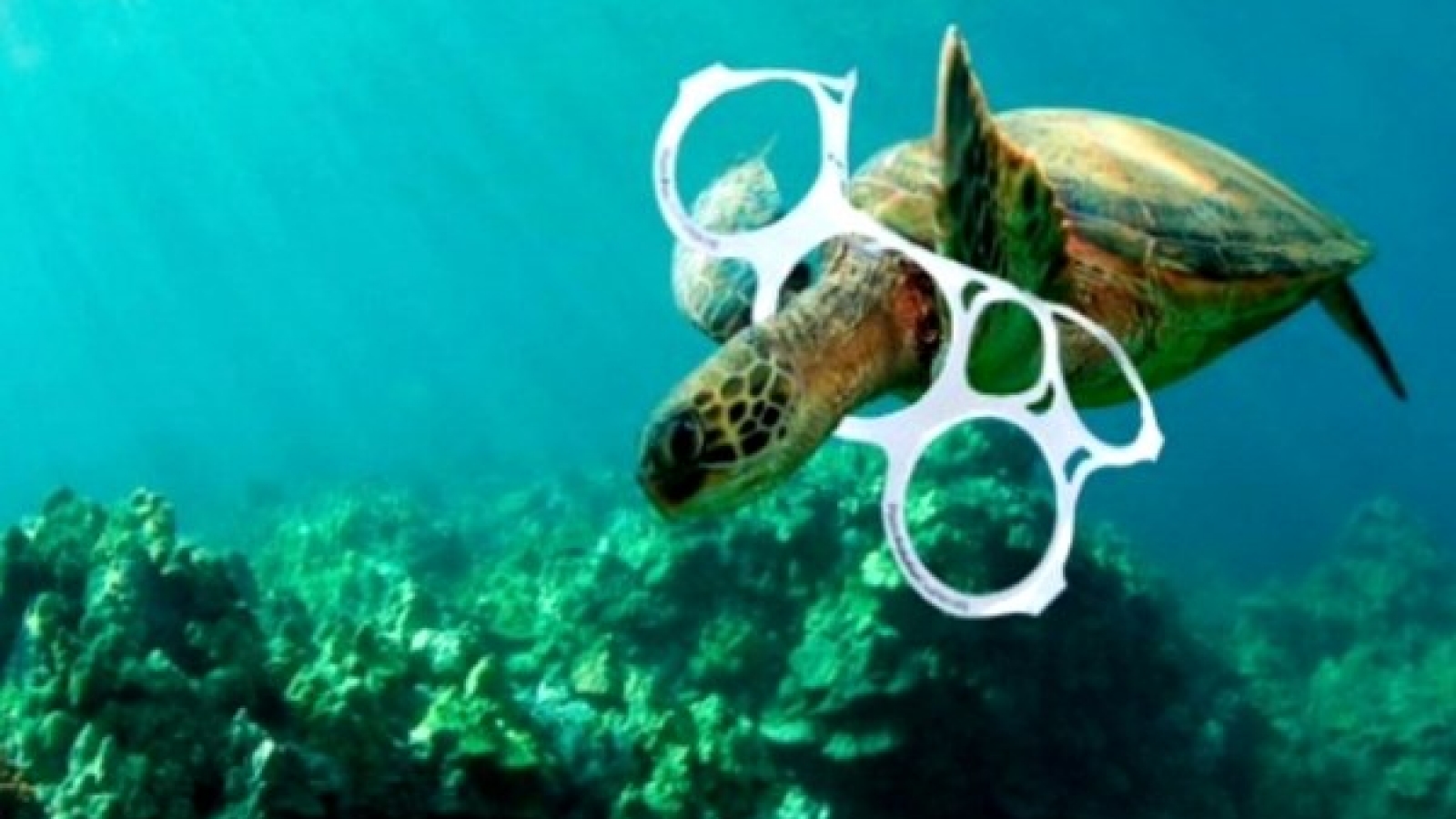
Conservation projects are conducted alongside to research. The conservation program is composed by two permanent subprograms: plastic debris and ghost fishing gear. Both issues are a serious danger to life at sea and these programs are aimed to understand and reduce the amount of floating debris posing a threat to marine megafauna in the research area.
In addition, I work closely with the coastal communities of the state of Yucatan to get them involved in conducting conservation projects in their area, providing them with knowledge, techniques, training and access to the information we gather during my research.
Once again, doors are open to young conservationists interested in the ocean and guidance and tutoring are provided to achieve their quest. One of the objectives of this is to adopt as much as their conservation actions as possible, in daily life and in a permanent way.
Training
Most undergraduate students and young scientists willing to work on behalf of the marine environment in Mexico have no access to opportunities to gain experience at sea. It is important then, to open this opportunity to them, by allowing them to join the projects or to conduct their own research on board the S/V Veiviseren.
When joining the vessel, they will get hands-on experience, guidance and the proper training to safely work at sea while collecting the data and information they need and acquiring more other skills, essential to their work during a 6 months training program. Through different kinds of trainings, events and expeditions, they can learn from different researchers and share with them their concerns about the ocean, not only helping the projects, but also learning how to conduct their own.
Along with Ximena and Angy, we have designed a few other short trainings available to scientists, conservationists, consultants, students and all public, in the hope that they will get involved in our mission with their own initiatives. The knowledge and skills acquired during these courses and trainings can easily be implemented and translated into effective ocean conservation actions.
Openings for the training programs and activities are announced in the website and shared in the social networks.
Awareness
As one of the objectives is to motivate the coastal communities of the state of Yucatan to join ocean conservation efforts and make them their own, several activities focused on engaging people towards the ocean will be conducted by bringing to them courses, workshops, lectures, conferences, festivals, expositions and more. The residents of those communities would participate in different research and conservation projects by making them their own, so they can feel proud of their actions towards ocean conservation. Of course, all those activities are open to everyone!
Social media is widely used to share with people the work and let them see how the project is evolving, what actions are being taken, the obstacles found in the way and how they were dealt with, the accomplishments and almost every aspect of the life of ocean scientists, as a way to bring science more accessible to people who is not directly involved in it but share the passion we feel about the ocean, so they might feel inspired to get involved through their own actions.
Of course, not every part of the world faces the same issues but all of them have to be known so they can be properly addressed by both government and communities. For this reason, there is always a good willing to share other ocean conservation initiatives, particularly those found in our way or that are being conducted by the people we met, as a way to help them to spread the word about their work.
Mentoring
This is the most recent program and it is still in development.
There is a lot of undergraduates, recent graduates and young scientists/conservationists in need of mentoring for their projects or research, and it is not easy to find the help they need.
So, it will be made available a mentoring program that will give them access to the guidance and help they need to achieve their goals, and it will be available in three different languages: English, French and Spanish!